
View Our Recent Work:

Most Florida boat owners pay between $20 and $100 per linear foot for professional bottom paint, which puts a typical 30-foot boat in the $600 to $3,000 range for a straightforward job, according to industry cost benchmarks. The spread comes down to three variables: how the yard handles haul-out, how much prep the old bottom needs, and which paint family you choose. On top of that baseline, Florida quotes often carry disposal and containment line items that owners in other states rarely see.
TL;DR:
- Florida professional bottom paint jobs typically cost between $20 and $100 per foot, with total prices for a 30-foot boat ranging from $600 to $3,000.
- Costs increase significantly with hull complexity, older coatings, or need for stripping and barrier coats, pushing a 40- or 50-foot boat toward $4,000 or more.
- Haul-out, surface prep, and disposal fees are major contributors, often adding hundreds to thousands of dollars depending on hull condition and waste handling laws.
- Picking the right paint type involves balancing upfront costs against service life, with ablative paints needing annual recoats and hard paints lasting two to three seasons.
- A detailed, line-item quote that clarifies prep methods, paint brands, disposal costs, and guarantees provides the most reliable budget comparisons.
Table of Contents
- Cost Breakdown by Boat Length: Pro vs. DIY
- What Drives the Price on Every Quote
- Paint Types and the Cost-Per-Year Math
- DIY vs. Professional: Where the Real Savings End
- Florida’s Regulatory and Disposal Costs
- Getting a Quote You Can Actually Compare
- How We Price Bottom Paint Jobs at Mazza Marine
- What Florida Owners Get Wrong About Bottom Paint Budgeting
- Request a Bottom Paint Estimate From Our Team
- FAQ
- Sources
Cost Breakdown by Boat Length: Pro vs. DIY
Per-foot pricing only tells part of the story, so it helps to see how those ranges translate into real totals. Professional bottom paint jobs in Florida generally fall into three tiers: a basic single-coat job over a clean hull, a standard two-coat ablative or hard paint job, and a full strip and repaint for a hull with years of buildup or blistering, according to U.S. mobile boat detailing costs and how to compare quotes. Cost benchmarking guides place the low end around $20 per foot for simple recoats and push toward $100 per foot when stripping, priming, and multiple coats are involved.
Here is roughly what that looks like by hull length, assuming a standard two-coat job with light to moderate prep:
- 20-foot boat: around $400 to $2,000, depending on hull condition and paint grade.
- 30-foot boat: around $600 to $3,000, the most common range we see at Florida yards.
- 40-foot boat: around $800 to $4,000, with haul-out fees becoming a bigger share of the total.
- 50-foot boat: around $1,000 to $5,000, where labor hours and disposal volume both climb.
Material costs sit underneath those totals. Epoxy primer typically runs $40 to $90 per gallon, and ablative antifouling paint runs roughly $80 to $200 per gallon depending on the copper load and brand, according to industry pricing data. A 30-footer usually needs one to two gallons of paint for two coats, so materials alone can land anywhere from $160 to $400 before labor, haul-out, or disposal enter the picture.
DIY owners can sometimes get materials-only costs down to a few hundred dollars for a small boat, but that number ignores a few things: the cost of a trailer or lift if you don’t already have hauling access, the sanding equipment and respirators needed for safe prep, and the fifteen to twenty-five hours a careful first-timer typically spends on a 30-foot hull. When you price out your own time at even a modest hourly rate, the break-even point between DIY and hiring a yard narrows fast, especially once haul-out access is factored in.
One statistic worth flagging for Florida owners specifically: out-of-water cleaning and antifouling work on mid-sized commercial vessels can be costly. Cleaning alone and antifouling application add substantial additional expenses, based on EPA hull husbandry cost data. Recreational boats cost far less than that, but the pattern holds: haul-out and antifouling are priced and billed as two distinct cost centers, not one bundled fee, and Florida’s year-round boating season keeps demand for both high enough that yards rarely discount either.
Our own detailed Florida pricing breakdown walks through how these numbers shift by region within the state, since South Florida yards tend to run at the higher end of these ranges during peak season.

What Drives the Price on Every Quote
A bottom paint quote is really five or six smaller line items stacked together, and understanding each one helps you spot where a yard is padding the bill versus where the cost is genuinely unavoidable.
- Haul-out and drydock time. Travel lifts and drydock slots are billed daily, and yards lose a slip’s revenue-generating capacity for every day your boat sits on stands. A boat that needs extra drying time before painting, or that gets delayed by weather, adds days you’ll see reflected in the final invoice.
- Surface prep and stripping. Sanding a clean hull with one old coat takes a fraction of the time that media blasting a hull with four or five layers of buildup takes. Blisters, delamination, or osmosis damage found during prep can add hours that weren’t in the original estimate.
- Niche and prop work. Propellers, shafts, rudders, and thru-hull fittings often get a different coating system than the hull and are priced separately. Anode replacement is frequently bundled in here too.
- Hidden add-ons. Epoxy barrier coat for osmosis-prone hulls, extra coats for racing or high-fouling areas, and pulpit or swim-platform removal to access blocked sections all show up as separate charges on a detailed quote.
The biggest red flag on any estimate is a single vague line that just says “prep” with no method, hours, or material named. A trustworthy quote spells out the prep method (hand-sand, power-sand, or media blast), the number of coats, the paint brand and product line, and whether disposal is included or billed separately. If a yard won’t commit those details to paper, ask why before you sign anything.
Paint Types and the Cost-Per-Year Math
Picking a bottom paint isn’t just about upfront price. It’s about what that price buys you in service life, because a cheaper gallon that needs recoating every year can cost more over five years than a pricier coating that lasts three.
- Ablative paints wear away gradually as the boat moves, exposing fresh biocide over time. They’re generally the most affordable per gallon and work well for boats that stay active, but they tend to need recoating annually in warm Florida water.
- Hard (modified epoxy) paints build up a durable surface that can be scrubbed without losing effectiveness, which suits boats that sit at a dock and get cleaned regularly. They cost more upfront but can last two to three seasons before a full recoat.
- Copper-free and low-release coatings use alternative biocides instead of copper and are required in certain copper-impaired waterways. They tend to carry a price premium but are worth checking into if your marina sits in a restricted zone.
- Silicone and foul-release coatings rely on a slick surface rather than biocides, carry the highest upfront cost, and suit boats that move often enough to shed growth mechanically.
Antifouling coatings sold in the United States are registered under FIFRA and must be applied and removed consistent with the product’s label, which includes limits on organotin biocides like TBT, per federal regulations. That matters at the budgeting stage because overcoating an existing compatible system is far cheaper than a full strip, while switching coating families (say, from a hard paint to an ablative) sometimes requires stripping back to bare gel coat first, which adds labor hours you won’t see if you’re just comparing per-gallon prices. Our comparison of ablative, hard, and copper-free paints goes deeper on which family fits which type of Florida boating.
DIY vs. Professional: Where the Real Savings End
A DIY bottom paint job on a 30-foot boat typically runs $300 to $600 in materials (sandpaper, primer, paint, tape, and a respirator), plus fifteen to twenty-five hours of labor for a first-timer working carefully. That sounds like a clear win against a $600 to $3,000 professional quote, until you weigh the other factors.
- Liability and disposal: Florida hazardous-waste rules apply to spent sanding dust and old paint residue whether a yard does the work or you do, and DIY owners are personally responsible for proper disposal.
- Warranty exposure: a professional job typically comes with a workmanship guarantee; a DIY job doesn’t, so any blistering or peeling in year one is on you to fix again.
- Hull condition limits: boats with prior blistering, osmosis, or multiple incompatible coating layers usually need media blasting and barrier coat work that’s difficult to do safely without yard equipment.
As a rough decision matrix: DIY makes sense for a smaller boat in good condition with an owner who has prep experience and legal disposal access. Larger hulls, blistered gel coat, or a coating history you can’t fully account for are strong signals to hire a yard instead.
Florida’s Regulatory and Disposal Costs
Florida adds a layer of cost that owners in freshwater states rarely budget for: hazardous-waste handling. Spent blasting media, paint chips, and solvent-soaked rags from bottom paint removal are commonly classified as hazardous waste under Florida Department of Environmental Protection guidance, which means yards need certified containment and disposal processes rather than a dumpster and a hose.
That requirement shows up on your invoice in a few predictable ways:
- Containment and capture: vacuum sanding systems, tarping, and media-capture setups that keep debris out of the water add labor and equipment cost, but they’re what keep a yard operating legally.
- Disposal fees: a separate line item covering certified hazardous-waste pickup for paint residue and blasting media, often a flat fee per job rather than a percentage.
- Legacy coatings: boats with old organotin or TBT-based bottom paint, banned decades ago but still found on older hulls, require special removal and disposal procedures that can roughly double labor and waste costs on that portion of the job, consistent with federal hull-coating performance standards.
One figure worth keeping in mind: Florida DEP materials specifically list spent blasting media, paint waste, and solvent-contaminated wipes among the common hazardous waste streams generated by marine painting and stripping operations, according to state guidance. If your quote doesn’t mention disposal at all, ask about it directly, because the fee tends to appear on the final bill either way.
Getting a Quote You Can Actually Compare
Two quotes that look similar on price can represent very different scopes of work. A few steps make the comparison fair.
- Measure and photograph your hull before calling around: LOA, beam, hull material, and any visible blistering, delamination, or flaking paint.
- Document your coating history as best you can, including how many layers are on the hull and roughly how old the last job was.
- Request a written, line-item quote that names the haul-out fee, the prep or strip method, the primer, the paint brand and number of coats, the disposal fee, and the estimated number of days out of the water.
- Watch for vague language: “prep as needed,” unnamed paint brands, or hourly labor with no estimated hour count are all signs the final bill could run higher than the quote.
Pro Tip: Ask every yard for a written scope of work and a stated workmanship guarantee before you commit, since those two documents are what protect you if the paint fails early.
How We Price Bottom Paint Jobs at Mazza Marine
A typical 32-foot sportfish with moderate buildup and no blistering usually lands in the low-to-mid end of standard ablative pricing, while a 45-footer needing a full strip and barrier coat pushes toward the higher end of the range discussed above. Because we run paint, hull, and haul-out coordination under one project manager, owners don’t juggle separate vendors for stripping, priming, and disposal. Florida’s peak haul-out season runs heaviest in late spring and ahead of storm season, and booking outside that window often means shorter wait times and more flexible scheduling.
What Florida Owners Get Wrong About Bottom Paint Budgeting
The biggest mistake we see is owners anchoring on the per-foot number and forgetting that prep, not paint, usually drives the final bill. A gallon of premium antifouling costs a predictable amount, but the hours spent stripping four layers of old coating or dealing with blisters nobody mentioned when the quote was written are what turn a $900 estimate into a $2,200 invoice.

Conventional advice tells owners to “get three quotes and pick the cheapest,” but a cheap quote that omits disposal, skips naming a prep method, or quotes labor by the hour with no cap isn’t actually cheaper, it’s just incomplete. The smarter first move is standardizing what you ask every yard to quote, not comparing whatever numbers happen to land in your inbox.
If we had to rank priorities for a Florida owner budgeting this job, it’s this: nail down the prep method and hull condition first, pick a paint family second, and treat the per-foot sticker price as the least useful number in the whole process.
— Jason
Request a Bottom Paint Estimate From Our Team
We handle bottom paint jobs the same way we handle every yacht project: one project manager coordinating haul-out, prep, primer, antifouling application, and hazardous-waste disposal, rather than you chasing down separate vendors for each step. 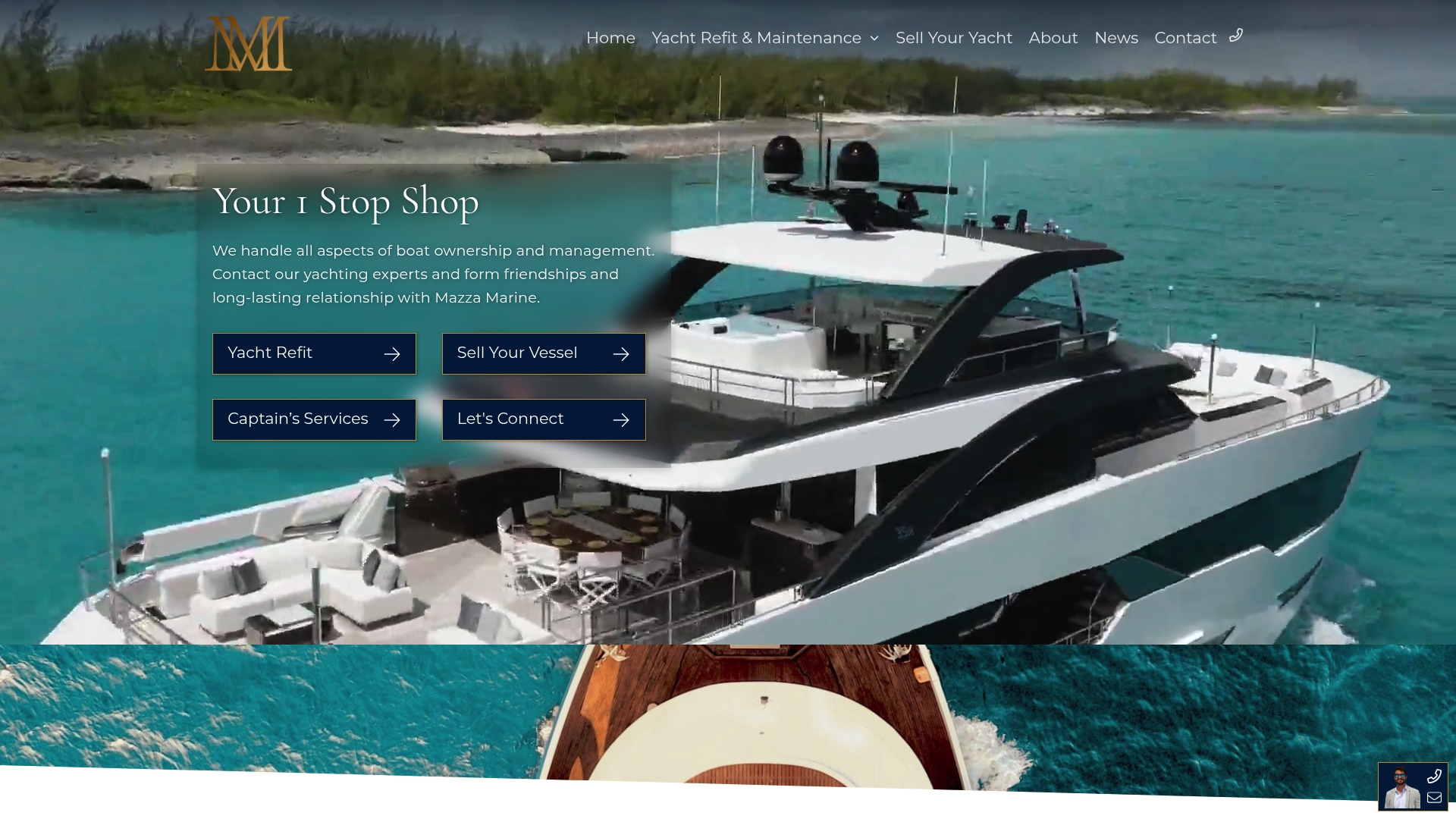
A quote from our paint, hull, and gelcoat team includes the same line items we’ve walked through here: haul-out scheduling, the prep or strip method, primer and paint brand with coat count, containment and disposal handling, and an estimated number of days out of the water. Because our trades work in-house rather than through subcontractors, scheduling tends to move faster and the workmanship guarantee covers the full scope, not just one vendor’s portion of it.
Services relevant to a bottom paint project include:
- Haul-out coordination and drydock scheduling
- Surface prep, stripping, or media blasting
- Primer and antifouling application across coating families
- Containment setup and certified hazardous-waste handling
If you’re ready to see real numbers for your hull, reach out through our paint and hull services page to request a written, itemized estimate.
FAQ
How much does a bottom paint job cost?
A professional bottom paint job in the United States typically runs between $20 and $100 per linear foot, according to industry cost guides, depending on hull condition, prep method, and paint type. Florida quotes often add disposal and containment fees on top of that per-foot range.
How much bottom paint for a 30ft boat?
A 30-foot boat usually needs one to two gallons of antifouling paint for a standard two-coat application, which at $80 to $200 per gallon puts material costs in the $160 to $400 range, based on industry pricing data. The full job cost, including haul-out and labor, typically lands between $600 and $3,000.
How long will bottom paint last?
Service life depends heavily on the coating type and how often the boat moves, with ablative paints often needing recoating annually in warm Florida water and hard paints lasting two to three seasons between full recoats. Boats that sit still and get fouled quickly tend to need fresh paint sooner than boats in regular use.
How much does antifouling paint cost?
Antifouling (bottom) paint typically costs $80 to $200 per gallon depending on the biocide load and brand, per industry benchmarks, with epoxy primer running $40 to $90 per gallon separately. Total project cost depends far more on labor and prep than on the paint price alone.
Sources
- Vessel hull husbandry and biofouling management (EPA)
- eCFR § 1700.27 Hull coating leachate
- Boat painting cost guide (MaritimePage)
Recommended
Text or Call 954-330-9653 Schedule Appointment
Mazza Marine Yacht Services & Refit

Fiberglass Upgrades and Damage Repair

Premium Yacht Paint/ Faux Teak

Fishing: Custom Rods, Reels,Tackle

Electrical, Electronics and Navigation

Paint, Hull and Gelcoat

Teak Decks, Wood Cabinets, Carpentry

Canvas, Enclosures and Upholstery

Mechanical, Repower and Running Gear

Plumbing, Bilge and Thru-Hulls

Welding and Custom Fabrication

Interior Refit And Past Work
Get your yacht value Estimate
"*" indicates required fields