
View Our Recent Work:

Lake Conroe marine activities are defined by a combination of Texas boating law, active marine services, and one of the busiest recreational lakes in the South. Over 3 million visitors arrive at Lake Conroe each year, making summer weekends feel more like a nautical highway than a quiet reservoir. The Texas Parks and Wildlife Department and the San Jacinto River Authority (SJRA) jointly govern the lake, setting rules that every boat owner must know before leaving the dock. Whether you are planning a weekend cruise, booking a Lake Conroe boat rental, or maintaining a vessel year-round, this guide covers what you need to stay safe, legal, and on the water.
1. What lake Conroe marine services are available?
Full-service marine providers on Lake Conroe cover everything from mechanical repairs to dock construction. The best shops carry more than 25 years of hands-on experience with freshwater vessels, and they stock parts for outboard and inboard engines alike. Choosing a provider authorized by the SJRA matters because dock and marina permits require SJRA approval beyond any local municipal license. A shop that understands this permitting process saves you time and protects your property investment.
Key marine services available at Lake Conroe include:
- Full mechanical repair: Engine diagnostics, impeller replacement, and fuel system service for both outboard and sterndrive setups
- Dock construction and bulkhead repair: Specialized barges handle water-side repairs for lakefront properties with limited land access
- Boat storage: Covered and open-air slip rentals at several marinas, with seasonal and annual rates
- Watercraft rentals: Pontoon boats, jet skis, and party barges available through licensed rental operators
- Trailer and haul-out services: Full haul-out facilities for bottom painting, hull inspection, and propeller work
Pro Tip: Ask any marine service provider for their SJRA permit number before signing a work order. Unlicensed contractors on Lake Conroe can create legal headaches for property owners down the line.
2. Boating regulations every Lake Conroe operator must know
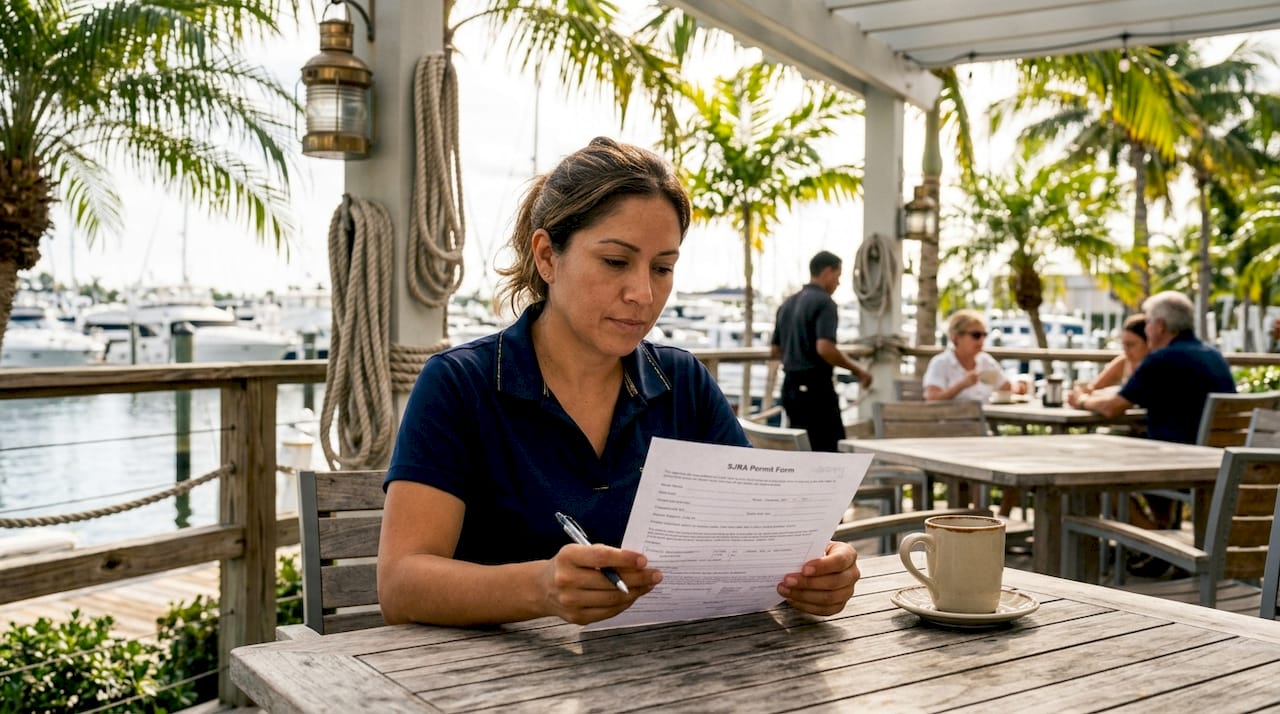
Texas law is specific about who needs formal boater education. Operators born on or after September 1, 1993 must complete an approved boater education course before operating a motorboat over 15 HP or any personal watercraft. That covers the majority of active boaters on the lake today. Skipping this requirement is not just a fine risk. It is a safety gap that shows up in accident statistics every season.
The US Coast Guard safety equipment standards apply directly to Texas lakes, and Lake Conroe is no exception. Texas law requires one USCG-approved wearable life jacket per person on board, plus a throwable Type IV device on vessels 16 feet and longer. Powerboats must also carry a sound-producing device, such as a horn or whistle, for signaling in low-visibility conditions.
Additional rules that govern daily operation on the lake:
- Speed limits and no-wake zones: Marked zones near docks, swim areas, and inlets require idle speed. Violations carry fines and can result in vessel impoundment.
- Sound signals: One prolonged blast signals departure from a dock. Two short blasts signal a port-side pass. These are not suggestions; they are required signals under Texas law.
- Navigation lights: Required from sunset to sunrise and during periods of reduced visibility. White stern light, red port light, and green starboard light are the minimum for most recreational vessels.
- Alcohol restrictions: Operating a vessel under the influence carries the same legal weight as a DUI on Texas roads.
- Age restrictions for personal watercraft: Operators under 13 years old cannot legally operate a PWC on Lake Conroe, regardless of adult supervision.
A solid safety equipment checklist before every departure keeps you compliant and confident on the water.
3. Best practices for safe and responsible boating on Lake Conroe
Safe boating on Lake Conroe starts with speed discipline. Reckless operation is legally defined as operating at a speed where you cannot stop within the clear distance ahead of you. That definition shifts constantly based on traffic, weather, and visibility. On a crowded summer Saturday, a speed that feels reasonable at 7:00 AM becomes genuinely dangerous by noon.
Wearing a properly fitted life jacket is the single most effective action you can take to prevent a fatal drowning on a Texas lake. Legal exemptions for adults do not change the physics of cold-water shock or a sudden capsize. Put it on before you leave the dock.
Environmental responsibility matters just as much as personal safety. The SJRA operates 24/7 to balance municipal water supply with recreational use, and buoy-marked restricted areas exist for both environmental and safety reasons. Crossing those boundaries is not just a citation risk. It can damage sensitive habitat and disrupt the water management systems that keep the lake functional for everyone.
Best practices every boat owner should follow:
- Complete a pre-departure check covering fuel, oil, bilge, navigation lights, and safety equipment
- Check current water level conditions before launching, since the conservation pool level of 201 feet mean sea level can shift and affect dock clearance
- File a float plan with someone onshore listing your route, passenger count, and expected return time
- Monitor VHF weather channels and cancel or delay trips when thunderstorms are forecast
- Keep a first aid kit, fire extinguisher, and visual distress signals onboard at all times
Pro Tip: Download the SJRA’s current lake level data the morning of your trip. Shallow areas that were passable last month may be hazardous after a dry spell.
4. Essential marinas, rentals, and resources for Lake Conroe boaters
Lake Conroe’s marina network gives boat owners solid infrastructure across the lake. The best marinas offer slip rentals, fuel docks, pump-out stations, and on-site repair referrals. Several also run guided tours and party barge excursions, which makes them a practical starting point for first-time visitors and experienced boaters alike.
Key resources and facilities worth knowing:
- Slip rentals: Available in both covered and open configurations, with monthly and annual contracts at most full-service marinas
- Fuel docks: Multiple locations around the lake sell marine-grade gasoline; confirm ethanol content before fueling older carbureted engines
- Lake Conroe fishing guides: Licensed fishing guides operate year-round, targeting largemouth bass, white bass, and catfish. Guided trips are the fastest way to learn productive areas without spending seasons figuring it out yourself.
- Water sport lessons: Several marinas offer wakeboarding and water ski instruction with certified instructors and proper safety equipment included
- Tournament information: The Lake Conroe Bass Club and similar organizations post tournament schedules and registration details online for competitive anglers
| Resource | What It Covers |
|---|---|
| SJRA lake level data | Current water elevation, updated regularly for trip planning |
| Texas Parks and Wildlife | Fishing licenses, regulations, and stocking reports |
| Lake Conroe fishing guides | Guided bass and catfish trips with licensed captains |
| Marina slip rentals | Covered and open slips, fuel, and pump-out services |
| USCG Boating Safety | Equipment standards and free vessel safety checks |
For boat owners who want a broader look at Texas boating resources, the Texas Marine Seabrook guide covers eight of the most useful references for operators across the state.
A spring pre-season checklist is also worth running through before your first launch of the year, covering everything from battery condition to safety gear expiration dates.
Key takeaways
Lake Conroe marine activities demand compliance with SJRA permitting, Texas boating education law, and USCG safety equipment standards before you ever leave the dock.
| Point | Details |
|---|---|
| Boater education is mandatory | Operators born on or after September 1, 1993 must complete an approved course for motorboats over 15 HP. |
| Life jackets save lives | One USCG-approved wearable PFD per person is required by law and is the most effective drowning prevention available. |
| SJRA permits govern docks | Private docks and commercial marinas require SJRA approval beyond any local municipal permit. |
| Check water levels before launching | The conservation pool sits at 201 feet mean sea level; conditions shift and affect dock clearance and shallow areas. |
| Use licensed marine service providers | Authorized contractors protect your property rights and ensure work meets SJRA standards on Lake Conroe. |
What I’ve learned from years on busy Texas lakes
Boating on a lake that draws over 3 million visitors a year is a fundamentally different experience from quiet reservoir fishing. The congestion is real, and the margin for error shrinks fast when you add inexperienced renters, personal watercraft, and tournament traffic to the same water on a Saturday afternoon.
The boaters I’ve seen handle Lake Conroe well share one habit: they treat the rules as a floor, not a ceiling. They wear life jackets even when the law doesn’t require it for adults. They slow down before they reach the no-wake zone, not at the buoy. They check the SJRA lake level data the morning of every trip, not just in spring. That kind of discipline is not paranoia. It is what keeps a great day from turning into a bad one.
Choosing the right marine service provider matters just as much as following the rules on the water. A shop that knows Lake Conroe’s specific conditions, including its fluctuating water levels, its clay-bottom shallows, and its SJRA permitting requirements, will give you better advice than a generic inland shop. Build that relationship before you need an urgent repair, not during one.
The lake rewards boaters who take it seriously. The fishing is genuinely excellent, the sunsets over the water are worth every early morning, and the community of serious boat owners here is welcoming. Respect the water, maintain your vessel, and you will get decades of good days out of Lake Conroe.
— Jason
Mazzamarine’s expertise for boat owners who demand more
Owning a boat on Lake Conroe means staying ahead of maintenance, not reacting to breakdowns. Mazzamarine brings a deep network of marine specialists covering engine and mechanical work, nav and electronics upgrades, custom fabrication, and full refit services.

Whether your vessel needs a seasonal tune-up or a complete systems overhaul, the marine repair service guide at Mazzamarine walks you through every stage of the process. From hull inspections to engine repowers, Mazzamarine connects boat owners with the right experts for the job. Reach out to Mino, Luigi, and the team to build a maintenance plan that keeps your boat performing at its best, season after season.
FAQ
What boating education is required on Lake Conroe?
Texas law requires operators born on or after September 1, 1993 to complete an approved boater education course before operating a motorboat over 15 HP or any personal watercraft on Lake Conroe.
How many life jackets are required on a Lake Conroe vessel?
Texas law requires one USCG-approved wearable life jacket per person on board, plus a throwable Type IV device on vessels 16 feet and longer.
Do I need an SJRA permit for a private dock on Lake Conroe?
Yes. Private residential docks and commercial marinas require SJRA permitting in addition to any local municipal approval. A local permit alone is not sufficient.
Where can I find current Lake Conroe water level data?
The San Jacinto River Authority publishes current lake level data on its website. The conservation pool sits at 201 feet mean sea level, but conditions change regularly and should be checked before every trip.
Are Lake Conroe fishing guides available year-round?
Yes. Licensed fishing guides on Lake Conroe operate throughout the year, targeting largemouth bass, white bass, and catfish depending on the season.
Recommended
Text or Call 954-330-9653 Schedule Appointment
Mazza Marine Yacht Services & Refit

Fiberglass Upgrades and Damage Repair

Premium Yacht Paint/ Faux Teak

Fishing: Custom Rods, Reels,Tackle

Electrical, Electronics and Navigation

Paint, Hull and Gelcoat

Teak Decks, Wood Cabinets, Carpentry

Canvas, Enclosures and Upholstery

Mechanical, Repower and Running Gear

Plumbing, Bilge and Thru-Hulls

Welding and Custom Fabrication

Interior Refit And Past Work
Get your yacht value Estimate
"*" indicates required fields