
View Our Recent Work:

Most marine paint warranties cover manufacturer defects like poor adhesion, blistering, or early antifouling failure for a limited window, with remedies usually capped at replacement materials, applicator credit, or a share of haul-out costs. Coverage commonly runs about 12 months for antifouling performance and 12 to 18 months for full coating systems, though some commercial or insured programs extend further. Almost every policy hinges on three conditions: a certified applicator, correct surface prep, and documented maintenance.
TL;DR:
- Antifouling guarantees usually cover one season; full coating warranties last 12 to 18 months, and remedies may be limited to replacement paint or labor credit.
- Commercial or insured programs may extend coverage to two to five years, but often require manufacturer trained crews, scheduled inspections, and stricter maintenance.
- After discovering a defect, photograph it, stop repairs, notify the applicator in writing, and file promptly; some warranties require claims within 30 days.
- Coverage can fail if surface preparation is poor, coatings are incompatible, or required upkeep is skipped; use a certified applicator and keep dated photo records.
- Some manufacturers require monthly hull cleaning and seasonal checks; log each inspection, retain invoices, and confirm the warranty start date in writing at handover.
Table of Contents
- What Marine Paint Warranties Cover: Performance Vs. Material Integrity
- Typical Durations and What They Mean for Owners
- Common Exclusions, Conditions, and How to Keep the Warranty Valid
- How to Make a Warranty Claim: A Step-by-Step Checklist
- Managing Your Warranty as an Asset: Inspections, Recordkeeping, and Planning
- Real-World Outcomes and the Mazza Marine Approach
- A Straight Take on What Actually Protects Your Coating
- How We Help Protect and Enforce Your Paint Warranty
- FAQ
- Sources
- Primary Manufacturer Warranty Pages and Industry Resources
What Marine Paint Warranties Cover: Performance Vs. Material Integrity
Warranties split roughly into two categories, and knowing which one applies to your situation changes what you can realistically claim. A performance guarantee makes a narrow promise, typically that an antifouling paint will limit hard-growth fouling for a defined season. A material integrity warranty covers something different: whether the coating itself stays bonded to the hull without blistering, peeling, or delaminating.
Standard inclusions tend to follow manufacturer instructions closely. If the product fails while applied and maintained exactly as specified, that’s the scenario warranties are built for. The usual remedies are modest: replacement paint, a credit toward the applicator’s labor, or partial reimbursement for hauling and blocking the vessel again.
Exclusions follow a predictable pattern across manufacturers:
- Mechanical damage from groundings, dock strikes, or trailer handling.
- Application over unknown or incompatible existing coatings.
- Use in racing or heavy commercial service when the certificate excludes it.
- Vandalism or damage from marina chemicals outside the manufacturer’s control.
When you read a warranty certificate, look past the headline promise. The real information sits in the remedy limits and the inspection or maintenance obligations printed in smaller text, since that’s where most disputes actually originate.
Typical Durations and What They Mean for Owners
Warranty length tells you how much risk the manufacturer is willing to absorb, and that number varies more than most owners expect. Antifouling guarantees commonly run 12 months, timed to a single fouling season, while full coating systems often carry a 12 to 18 month window. Sea Hawk’s warranty terms reflect this standard range for coating systems applied and maintained correctly.
Longer guarantees, stretching to two or five years, do exist for certain commercial systems or when backed by additional insurance. These extended terms come with tighter strings attached: stricter application protocols, mandatory inspection schedules, and often a requirement that only factory-trained crews touch the hull.
- Consumer antifouling: around 12 months, tied to seasonal fouling cycles.
- Standard coating systems: 12 to 18 months is typical.
- Commercial or insured systems: 2 to 5 years, with added compliance requirements.
Commencement dates aren’t always obvious. Some certificates start the clock on the application date, others on delivery or hand-over, and a few use the certificate’s issue date. Confirm the effective start date in writing at handover, and file the signed certificate alongside your invoices before you forget which drawer it landed in.
Common Exclusions, Conditions, and How to Keep the Warranty Valid
Warranties die quietly, usually from a missing signature rather than a paint failure. The most frequent voiding causes are insufficient surface prep, applying new paint over an unknown or competing coating, racing or commercial use when the certificate excludes it, and skipping the maintenance steps the manufacturer requires.
- Verify applicator certification before work begins; manufacturers like Sea Hawk require a Certified Sea Hawk Applicator for their written antifouling guarantee to apply.
- Follow the maintenance schedule exactly, which often means monthly hull cleaning during the warranty period and documented seasonal checks.
- Keep every piece of paperwork: the signed warranty certificate, the applicator’s invoice, inspection reports, haul-out and haul-back dates, and dated photos from day one.
Certified applicator clauses exist because manufacturers can’t control weather, humidity, or substrate prep on their own, so they shift quality control to trained crews who know the product’s quirks. You can verify a yard’s certification by asking directly for their credential number or checking the manufacturer’s applicator directory before signing a work order.
Pro Tip: Photograph the hull before and immediately after application, then repeat every month; a simple photo log has saved more claims than any argument about paint chemistry.
How to Make a Warranty Claim: A Step-by-Step Checklist
When something looks wrong below the waterline, resist the urge to fix it yourself before documenting it. The sequence you follow in the first week often decides whether the claim gets approved or quietly denied.
- Photograph the affected area immediately, with a date stamp and something for scale.
- Stop any grinding, sanding, or recoating that would destroy the evidence a manufacturer needs to inspect.
- Notify your applicator in writing the same day, then copy the yard if a different company handled the haul-out.
- Assemble your documentation folder before the inspection, not after.
- Submit the claim promptly. Sea Hawk’s warranty page notes that claims commonly need to be filed within 30 days of discovery, and that window is typical across manufacturers.
Your documentation folder should include:
- The signed warranty certificate with commencement date.
- Applicator certification proof.
- Original invoices for paint and labor.
- Maintenance logs and haul-out records.
- Photos spanning from discovery through the present.
Contact your applicator first since they usually hold the direct relationship with the manufacturer’s warranty desk. If the applicator is unresponsive or the yard that hired them has closed, manufacturer technical support and warranty administration can often step in directly. When you’ve hired a yard, a project manager typically stays in the loop on claim status so you aren’t chasing three different phone numbers.
Expect an inspection to be scheduled first, followed by a manufacturer determination and, if approved, a remedy limited to materials, labor credit, or partial hauling costs. Routine claims often take four to eight weeks from submission to resolution, though complex cases involving a legal dispute can stretch longer, as seen in a Florida appellate opinion on an antifouling paint warranty dispute where the court held the parties to the warranty’s exact written terms.
Managing Your Warranty as an Asset: Inspections, Recordkeeping, and Planning
Treat your warranty paperwork the way you’d treat a title document, not a receipt you toss in a drawer. A simple inspection cadence protects more coverage than most owners realize.
- Inspect the hull monthly during warranty periods and note weather, visible fouling, and any minor repairs.
- Photograph each inspection with a timestamp, even when nothing looks wrong.
- Schedule repaint or refit work just outside warranty windows when possible, so evidence trails don’t overlap confusingly.
- Keep an inspection report, a maintenance log, and an applicator sign-off sheet for every season.
- Store copies both in the cloud and in a physical folder aboard or at home.
Pro Tip: A five-minute phone photo during each haul-out costs nothing and has settled more than one warranty dispute without a single phone call to a lawyer.
Owner-performed cleaning is fine for routine upkeep, but anything involving the hull coating itself, like touch-ups or partial recoats, should go through a certified yard. A well-meaning DIY fix is one of the fastest ways to void coverage without realizing it.

Real-World Outcomes and the Mazza Marine Approach
We’ve watched two claims play out almost identically in every way except one: paperwork. One owner had monthly inspection photos, a signed certificate, and applicator invoices ready within a day, and the manufacturer approved replacement materials within weeks. Another owner had the same hull problem but no inspection history, and the claim stalled indefinitely over “insufficient evidence of maintenance.”
Paint and gelcoat work, inspection reporting, and maintenance packages help protect the paperwork trail you’ll need later by coordinating certified applicators and documenting each haul-out, including specialized services like ceramic coatings for boats that enhance long-term surface protection.
Before booking paint work, it is important to confirm the applicator’s certification, get a written commencement date on the warranty certificate, and maintain a photo record starting at handover.
A Straight Take on What Actually Protects Your Coating
If I had to boil this down to one habit, it’s this: document everything and use certified applicators, because the paint chemistry is rarely the problem. I’ve seen identical antifouling failures land on opposite outcomes purely because one owner kept a folder and the other kept a memory.
— Jason
How We Help Protect and Enforce Your Paint Warranty
Preserving a marine paint warranty is partly about chemistry and mostly about process, and that’s where our yard experience earns its keep. We coordinate certified applicators, produce documented inspection reports, and handle paint and gelcoat application with the same project manager overseeing haul-out scheduling from start to finish.
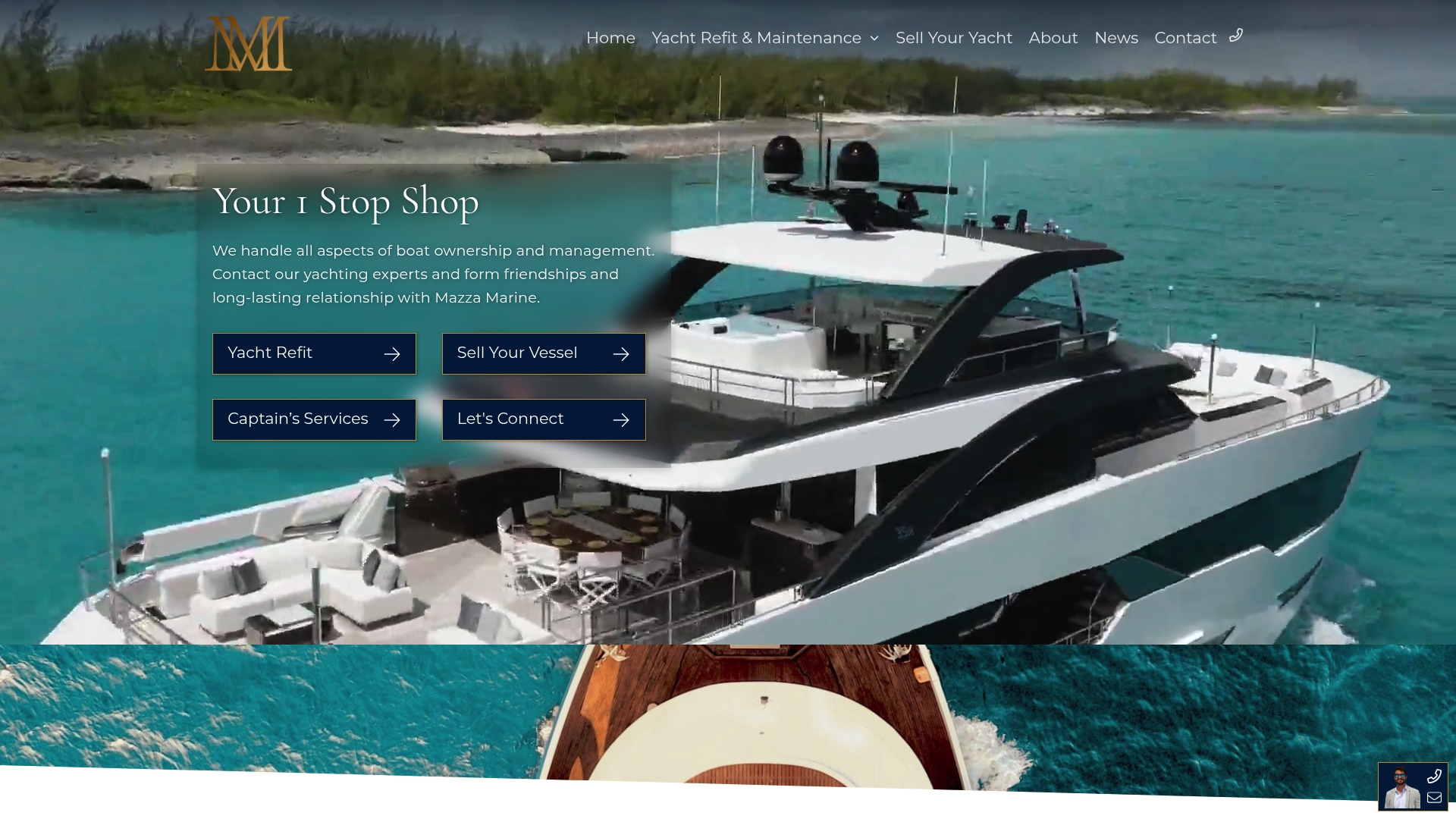
Our services relevant to warranty protection include:
- Certified applicator coordination for antifouling and topcoat systems.
- Documented inspection reports tied to each haul-out.
- Full paint and gelcoat application using manufacturer-aligned materials.
- Maintenance packages structured to meet manufacturer upkeep requirements.
We don’t issue manufacturer guarantees ourselves, but we build the documentation trail that keeps yours intact. If your hull is due for inspection or you’re planning paint work this season, request a consultation on paint and gelcoat services or explore our maintenance package options to see what fits your boating calendar.
FAQ
How long is a paint warranty?
Most antifouling performance guarantees run about 12 months, while full coating system warranties commonly span 12 to 18 months. Some commercial or insured programs extend to 2 to 5 years, but they require stricter maintenance and application compliance.
Which paint gives warranty?
Several marine paint manufacturers offer written guarantees, and Sea Hawk’s antifouling guarantee promises no barnacle growth for 12 months on qualifying products when applied by a certified applicator. Coverage terms vary by manufacturer, so always confirm the specific guarantee tied to the product you choose.
What is the most durable boat paint?
Durability depends heavily on the coating type: antifouling paints are formulated to reduce biofouling over a season, while hard epoxy and polyurethane topcoats prioritize long-term adhesion and abrasion resistance. The World Coatings Council notes that marine coating performance depends on correct application and ongoing maintenance as much as the product itself.
How much does marine grade paint cost?
Pricing varies by product line, vessel size, and application method, so we don’t publish a flat rate for paint materials. For an accurate quote tied to your hull and coating system, request details through our paint and gelcoat services page.
What voids a marine paint warranty?
Common voiding factors include improper surface prep, applying new paint over an unknown existing coating, skipping required maintenance, and using an uncertified applicator. Courts have also held owners to strict warranty terms in disputes, as shown in a Florida appellate case involving an antifouling paint warranty.
Sources
- Sea Hawk Paints – Product warranty
- Sea Hawk Antifouling Written Guarantee
- New Nautical Coatings, Inc. v. Scoggin (court opinion)
- Anti-fouling paint — Wikipedia
- World Coatings Council – Marine coatings
Primary Manufacturer Warranty Pages and Industry Resources
These sources support the factual claims made throughout this guide:
- Anti-fouling paint overview: background on antifouling paint as a distinct coating category.
- World Coatings Council marine coatings: industry context on coating performance and insured guarantee programs.
- Sea Hawk product warranty: standard coverage periods and claim submission windows.
- Sea Hawk antifouling written guarantee: certified applicator requirements for a 12-month antifouling guarantee.
- New Nautical Coatings, Inc. v. Scoggin: court precedent on strict interpretation of marine paint warranty terms.
Recommended
Text or Call 954-330-9653 Schedule Appointment
Mazza Marine Yacht Services & Refit

Fiberglass Upgrades and Damage Repair

Premium Yacht Paint/ Faux Teak

Fishing: Custom Rods, Reels,Tackle

Electrical, Electronics and Navigation

Paint, Hull and Gelcoat

Teak Decks, Wood Cabinets, Carpentry

Canvas, Enclosures and Upholstery

Mechanical, Repower and Running Gear

Plumbing, Bilge and Thru-Hulls

Welding and Custom Fabrication

Interior Refit And Past Work
Get your yacht value Estimate
"*" indicates required fields