
View Our Recent Work:

Many Florida yacht owners mistakenly believe that as long as their bilge pump runs, their vessel is safe. The truth is far more dangerous: 50% of dockside yacht sinkings result from undetected leaks at underwater fittings. Recognizing early warning signs across hull, engine, electrical, and safety systems protects your investment and prevents catastrophic failures. This guide teaches you exactly what to look for.
Table of Contents
- How To Identify The Need For Yacht Repairs: Selection Criteria
- Signs Of Hull Integrity Issues
- Engine And Mechanical System Warning Signs
- Electrical System Warning Signs
- Safety Equipment Inspection And Repair Indicators
- Standardized Inspection Protocols And Checklists
- Choosing Qualified Repair Experts In Florida
- Summary Comparison And Situational Recommendations
- Mazza Marine: Expert Yacht Repair Services In Florida
- Frequently Asked Questions
Key takeaways
| Point | Details |
|---|---|
| Physical indicators | Hull cracks and increased bilge pump cycles signal hidden leaks requiring immediate inspection. |
| Mechanical warnings | Unusual engine noises, overheating, or smoke indicate bearing wear or fuel system problems. |
| Electrical faults | Corroded terminals and voltage drops below 12.6 volts reveal wiring or battery issues. |
| Safety compliance | Regular inspections of fire extinguishers and distress signals ensure Coast Guard compliance. |
| Expert protocols | Standardized checklists and qualified technicians optimize repair timing and prevent costly damage. |
How to identify the need for yacht repairs: selection criteria
Establishing a systematic framework helps you evaluate when repairs are necessary. Broad criteria include hull integrity, engine function, electrical system condition, and safety equipment compliance, forming the foundation for proactive maintenance.
Focus on these essential assessment areas:
- Physical hull damage including cracks, delamination, and persistent water ingress
- Engine performance degradation shown through abnormal sounds, smoke, or overheating
- Electrical system health measured by voltage levels and visible wiring deterioration
- Safety equipment status verified against ABYC and Coast Guard schedules
- Expert validated standards guiding repair thresholds and intervention timing
Regular inspections across all systems reduce the risk of overlooked damage. Documenting findings creates a maintenance history that aids future repair decisions and demonstrates compliance during surveys.
Pro Tip: Create a monthly walkthrough routine covering all five criteria areas, spending just 20 minutes per visit to catch issues before they escalate.
Signs of hull integrity issues
Your hull is the primary barrier between water and your vessel’s interior. Physical symptoms indicating structural problems demand immediate attention to prevent sinking or extensive damage.
Watch for these critical hull warning signs:
- Leaks near stuffing boxes, outdrive bellows, and drain plugs where water enters undetected
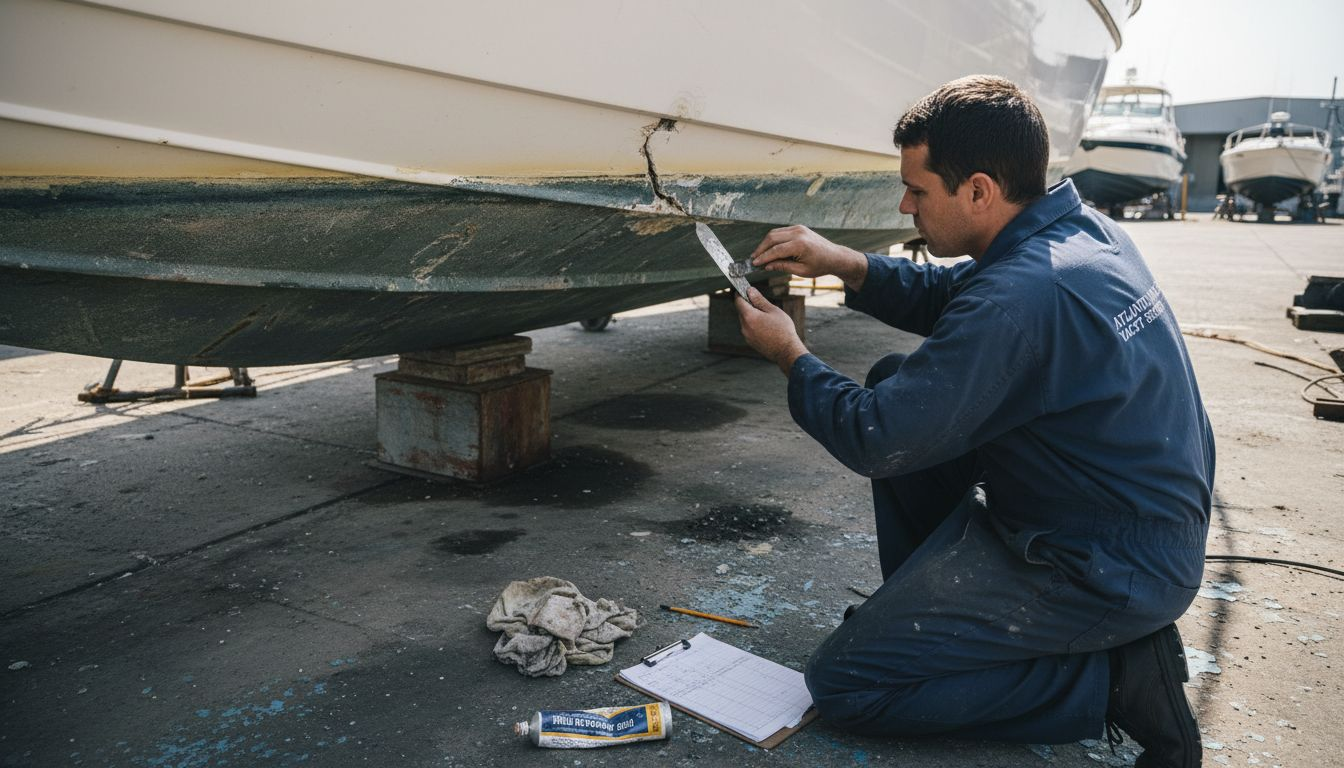
- Visible gelcoat cracks or delamination, especially common on yachts over 10 years old
- Frequent bilge pump activation cycles signaling hidden water ingress points
- Clogged scuppers causing rainwater to pool rather than drain properly
- Soft spots in fiberglass or visible osmotic blistering below the waterline
Data reveals the scope of this problem: rainwater ingress and clogged scuppers contribute to 32% of dockside sinkings, making regular scupper maintenance essential for Florida yachts exposed to afternoon thunderstorms.
Examine underwater fittings during haul outs. Stuffing boxes and through hulls deteriorate faster in saltwater environments, and small leaks compound into major flooding risks. If your bilge pump runs more than once per week while docked, investigate immediately rather than assuming normal operation.
Timely plumbing and bilge maintenance prevents catastrophic failures. Address gelcoat damage promptly, as cracks allow water penetration that leads to core rot and structural weakness requiring costly fiberglass repairs.
Pro Tip: Mark your bilge pump float switch with a waterproof marker to track activation frequency, creating a visual log that reveals patterns indicating hidden leaks.
Engine and mechanical system warning signs
Your engine provides audible and visual clues about its condition. Recognizing abnormal performance indicators prevents breakdowns during critical moments and reduces repair costs through early intervention.
Listen and watch for these mechanical red flags:
- Unusual engine noises including knocking, grinding, or high pitched squealing indicating bearing wear
- Exhaust smoke color changes, with blue smoke suggesting oil burning and black smoke indicating fuel problems
- Frequent engine overheating episodes or coolant loss visible in expansion tanks
- Delayed starting or inconsistent idling patterns showing fuel delivery or ignition issues
- Vibration increases felt through the helm or unusual propeller cavitation sounds
Engine problems rarely appear suddenly. Most mechanical failures progress through warning stages, giving attentive owners time to schedule repairs before experiencing total breakdown.
Monitor operating temperatures closely. Overheating damages head gaskets and warps cylinder heads, leading to expensive rebuilds. Check coolant levels weekly and investigate any drops, as small leaks in heat exchangers or hoses worsen rapidly in saltwater conditions.
Fuel system issues manifest through rough running and power loss. Water contamination from condensation causes injector clogging, while dirty fuel filters reduce flow. Following a heavy machinery breakdown reduction guide minimizes unplanned maintenance.
Pro Tip: Keep a logbook recording engine hours, temperatures, and any unusual sounds or smells to help technicians diagnose intermittent problems that may not occur during shop visits.
Electrical system warning signs
Electrical failures compromise navigation, communication, and safety systems. Florida’s humid, saltwater environment accelerates corrosion, making vigilant monitoring essential for reliable operation.
Identify electrical problems through these symptoms:
- Corroded battery terminals reducing voltage below the ideal 12.6 to 12.8 volt range
- Repeated battery drain or failure to hold charge after overnight periods
- Wiring insulation cracks and chafing caused by vibration and salt exposure
- Nonfunctional navigation lights or instrument panels signaling circuit faults
- Burning smells or warm wire surfaces indicating overload conditions
Electrical inspections prevent failures before they strand you. Seasonal inspections reduce electrical failure risk significantly by catching corrosion and damaged insulation early.
Follow these maintenance priorities:
- Test battery voltage monthly and clean terminals to maintain proper connections
- Inspect all visible wiring for green corrosion, cracked insulation, or loose connections
- Verify breaker panel operation and check for any tripped breakers indicating faults
- Test navigation lights and instruments before every departure
- Document findings and schedule professional evaluation for any anomalies
Updated safety standards matter. The American Boat & Yacht Council updated electrical and fuel safety standards in 2025 to address lithium ion battery risks and fuel system leaks, making compliance essential for modern yachts.
Marine electrical systems operate in the harshest environment imaginable, combining water, salt, vibration, and high amperage loads that accelerate component degradation far beyond land based applications.
Professional marine electrical work Florida yachts ensures repairs meet current ABYC standards and Coast Guard requirements. Don’t delay addressing electrical issues, as small problems cascade into complete system failures.
Safety equipment inspection and repair indicators
Safety gear sits unused until emergencies arise, making regular inspections critical for readiness. Expired or damaged equipment fails when you need it most, creating life threatening situations and regulatory violations.
Verify these safety equipment conditions:
- Fire extinguisher pressure gauges in green zones and current hydrostatic test dates
- Distress signal and flare expiration dates with replacements ordered before deadlines
- Life jacket condition including intact straps, buckles, and buoyancy without waterlogging
- Safety harness webbing free from UV damage, cuts, or worn stitching
- First aid kit contents fully stocked with unexpired medications and supplies
Documenting inspections creates compliance records for Coast Guard boardings and insurance claims. Regular inspections of safety gear per Coast Guard and ABYC standards prevent equipment failure during emergencies.
Fire extinguishers require visual checks monthly. Verify gauges show proper pressure and inspect hoses for cracks. Schedule hydrostatic testing per manufacturer intervals, typically every five to twelve years depending on type.
Replace expired flares immediately. Visual distress signals degrade over time, and expired pyrotechnics may fail to ignite. Keep replacements aboard before discarding old units to maintain required quantities.
Inspect life jackets for rips, fading, and compromised flotation. Replace any jacket showing significant wear or damage. Check that child sized jackets match current passenger ages and weights.
Pro Tip: Set annual calendar reminders three months before equipment expiration dates to order replacements without rushing, ensuring continuous compliance.
Standardized inspection protocols and checklists
Comprehensive checklists ensure no system is overlooked during maintenance reviews. Following authoritative protocols from organizations like the American Bureau of Shipping creates consistency and catches developing issues early.
Standardized approaches provide these advantages:
- Systematic coverage of hull, engine, electrical, plumbing, and safety systems in each inspection
- Documented findings creating maintenance histories that inform repair timing decisions
- Regulatory compliance alignment with ABYC and Coast Guard requirements
- Early problem detection before minor issues become expensive repairs
The American Bureau of Shipping provides comprehensive onboard routine maintenance check sheets covering all critical yacht systems, giving owners professional frameworks to follow.
Implementing these protocols improves reliability. ABYC’s 2025 standard updates include key guidelines for fuel and electrical system safety inspections, reflecting current best practices for modern yacht equipment.
Create inspection schedules matching your usage patterns:
| Inspection Type | Frequency | Key Systems |
|---|---|---|
| Quick visual check | Before each use | Bilge water level, battery voltage, safety gear |
| Monthly detailed | Every 30 days | All systems, fluid levels, visible wear |
| Seasonal professional | Spring and fall | Engine service, electrical testing, haul out |
| Annual certification | Yearly | Safety equipment, through hull inspection |
Following a heavy machinery maintenance checklist tailored to marine environments reduces unexpected failures. Consistency matters more than perfection, so establish routines you’ll actually maintain.
Pro Tip: Use smartphone apps or printable PDF checklists with checkboxes to track completion, creating digital records accessible during emergencies or insurance claims.
Choosing qualified repair experts in Florida
Selecting skilled technicians familiar with Florida’s unique marine environment ensures efficient, lasting repairs. The right professionals diagnose accurately, work efficiently, and stand behind their service.
Evaluate potential repair providers using these criteria:
- Verified certifications in marine systems including ABYC credentials and manufacturer training
- Demonstrated experience with Florida saltwater impacts and tropical weather challenges
- Comprehensive capabilities spanning mechanical, electrical, and cosmetic yacht repairs
- Strong peer recommendations and positive online reviews from local yacht owners
- Clear communication about timelines, costs, and warranty coverage
Local expertise matters. Expertise in mechanical, electrical, and cosmetic repairs specific to Florida marine environment reduces downtime and prevents recurring problems from inadequate repairs.
Ask detailed questions during initial consultations. Request explanations of diagnostic processes, repair approaches, and quality standards. Professional technicians willingly discuss their methods and provide transparent estimates.
Verify insurance coverage and licensing. Legitimate marine service providers carry liability insurance protecting your yacht during repairs and maintain proper business licenses for their jurisdiction.
Consider service breadth when choosing providers. Shops offering diverse capabilities from faux teak finishing Florida boats to complex systems repair streamline maintenance by consolidating vendors. Building relationships with trusted marine vendors Florida yachts simplifies ownership and ensures priority service during peak seasons.
For major projects, specialists in Florida yacht refit services coordinate multiple trades, managing timelines and quality control throughout complex renovations.
Summary comparison and situational recommendations
Understanding which repair signs demand immediate action versus routine scheduling helps prioritize maintenance budgets and prevents emergencies. This comparison synthesizes key indicators with recommended response timelines.
| System | Warning Signs | Urgency Level | Recommended Action |
|---|---|---|---|
| Hull integrity | Visible cracks, frequent bilge pump cycles, soft spots | High | Immediate haul out and professional assessment within 48 hours |
| Engine mechanical | Unusual noises, overheating, smoke, starting issues | High to Medium | Stop operation, diagnose within one week |
| Electrical | Voltage drops, corroded terminals, nonfunctional instruments | Medium | Schedule professional inspection within two weeks |
| Safety equipment | Expired flares, damaged life jackets, low extinguisher pressure | Medium | Replace items before next voyage |
| Cosmetic | Gelcoat oxidation, worn upholstery, faded canvas | Low | Plan during next scheduled maintenance period |
Prioritize safety and operational systems over cosmetic issues. A cracked hull or failing engine creates immediate hazards, while faded cushions simply reduce comfort and resale value.
Schedule routine maintenance during off seasons when service providers offer better availability and rates. Emergency repairs during peak boating months cost significantly more and involve longer wait times.
Budget preventive maintenance dollars strategically. Spending $500 on seasonal inspections often prevents $5,000 emergency repairs by catching problems early.
Mazza Marine: expert yacht repair services in Florida
Recognizing repair signs is only the first step. Acting on those indicators with qualified professionals ensures your yacht remains safe, reliable, and ready for Florida waters.
Mazza Marine delivers comprehensive yacht repair and maintenance services across Florida, combining decades of maritime expertise with extensive vendor networks. Our specialists address hull damage through professional paint hull gelcoat services that restore structural integrity and appearance.
We excel in fiberglass upgrades and damage repair, resolving the physical issues that threaten vessel safety. Our plumbing bilge and thru hulls services eliminate the leak sources causing half of all dockside sinkings.
Brothers Mino and Luigi built Mazza Marine on a childhood passion for the sea, creating lasting relationships with yacht owners through personalized service. Contact our team to discuss your repair needs and experience the difference that Florida expertise makes.
Frequently asked questions
How often should I inspect my yacht for repair signs?
Inspect your yacht monthly when stored and always before seasonal launches to catch developing issues early. Engine and electrical systems benefit from professional evaluations twice yearly, typically in spring and fall. Use standardized checklists during each inspection to ensure comprehensive coverage of all critical systems. More frequent checks are warranted for older vessels or those in heavy use.
What are the most common early warning signs of hull damage?
Look for visible gelcoat cracks, persistent bilge pump activity beyond normal cycles, and water stains inside the hull indicating ingress points. Listen for unusual sounds when walking on decks, suggesting delamination. Check for soft spots by pressing firmly on fiberglass surfaces, particularly around through hull fittings and high stress areas. Musty odors below decks often signal hidden leaks requiring immediate investigation.
Can electrical issues be prevented with regular maintenance?
Yes, routine terminal cleaning, voltage testing, and wiring inspections dramatically reduce electrical failures in marine environments. Following ABYC standards ensures your maintenance aligns with current safety requirements and best practices. Schedule professional electrical system evaluations annually to identify problems beyond visual inspection capabilities. Preventive maintenance costs far less than emergency repairs or equipment replacement after total system failure.
How do I know when to call a professional for repairs?
Call professionals immediately for any leaks, unusual engine sounds or performance changes, persistent electrical faults, or safety equipment failures beyond basic replacement. Timely expert intervention prevents minor issues from escalating into costly damage and extended downtime. Choose experienced yacht mechanics familiar with Florida’s saltwater and weather conditions for accurate diagnosis and lasting solutions. Trust your instincts, if something seems wrong, professional evaluation provides peace of mind.
Recommended
Text or Call 954-330-9653 Schedule Appointment
Mazza Marine Yacht Services & Refit

Fiberglass Upgrades and Damage Repair

Premium Yacht Paint/ Faux Teak

Fishing: Custom Rods, Reels,Tackle

Electrical, Electronics and Navigation

Paint, Hull and Gelcoat

Teak Decks, Wood Cabinets, Carpentry

Canvas, Enclosures and Upholstery

Mechanical, Repower and Running Gear

Plumbing, Bilge and Thru-Hulls

Welding and Custom Fabrication

Interior Refit And Past Work
Get your yacht value Estimate
"*" indicates required fields