
View Our Recent Work:

Aging materials are quietly costing you performance, time, and money. Worn fiberglass shows stress fractures. Traditional teak decks demand endless varnishing. Dated wiring fails to support modern power systems. The upgrading yacht materials process is not just about aesthetics. It’s about making your vessel faster, safer, more reliable, and genuinely enjoyable to operate for years to come. Whether you’re planning a full refit or targeting specific components, understanding what the process involves, from initial survey through final sea trial, is what separates a smart upgrade from an expensive mistake.
Table of Contents
- Key Takeaways
- The upgrading yacht materials process starts with assessment
- Selecting the best yacht materials for your upgrade
- Step-by-step execution: from dismantling to sea trial
- Common challenges during yacht material upgrades
- What to expect after the upgrade is complete
- My honest take on upgrading yacht materials the right way
- Mazzamarine: your partner for material upgrades and yacht refits
- FAQ
Key Takeaways
| Point | Details |
|---|---|
| Survey before spending | A detailed technical inspection identifies priority areas and prevents costly surprises mid-project. |
| Modern materials outperform traditional ones | Advanced composites offer up to 20% weight reduction and 35% more stiffness over standard fiberglass. |
| Phased execution saves yard time | Running fabrication and dismantling in parallel reduces the total time your yacht spends out of the water. |
| System integration is non-negotiable | Upgrading materials without updating linked electrical and mechanical systems creates new failure points. |
| Budget for the unexpected | Professional refits recommend a 10 to 20% contingency on top of projected costs to absorb unplanned repairs. |
The upgrading yacht materials process starts with assessment
Before a single component is removed, you need a clear picture of where your yacht stands. A thorough technical survey is the foundation of every successful upgrade project. Skipping this step is like planning a kitchen renovation without checking if the walls are load-bearing.
A proper survey covers hull integrity, deck surfaces, structural framing, mechanical systems, and the electrical network. You’re looking for osmotic blistering, delamination, corrosion in through-hull fittings, and any signs of fatigue in high-stress areas. Hire a certified marine surveyor for an objective report, not just a visual walkthrough from a yard worker.
Once you have the survey, prioritize by category:
- Safety-critical items first: structural failures, compromised through-hulls, corroded wiring
- Performance-affecting items second: hull weight, deck materials, rigging condition
- Comfort and aesthetics third: interior surfaces, teak decking, upholstery
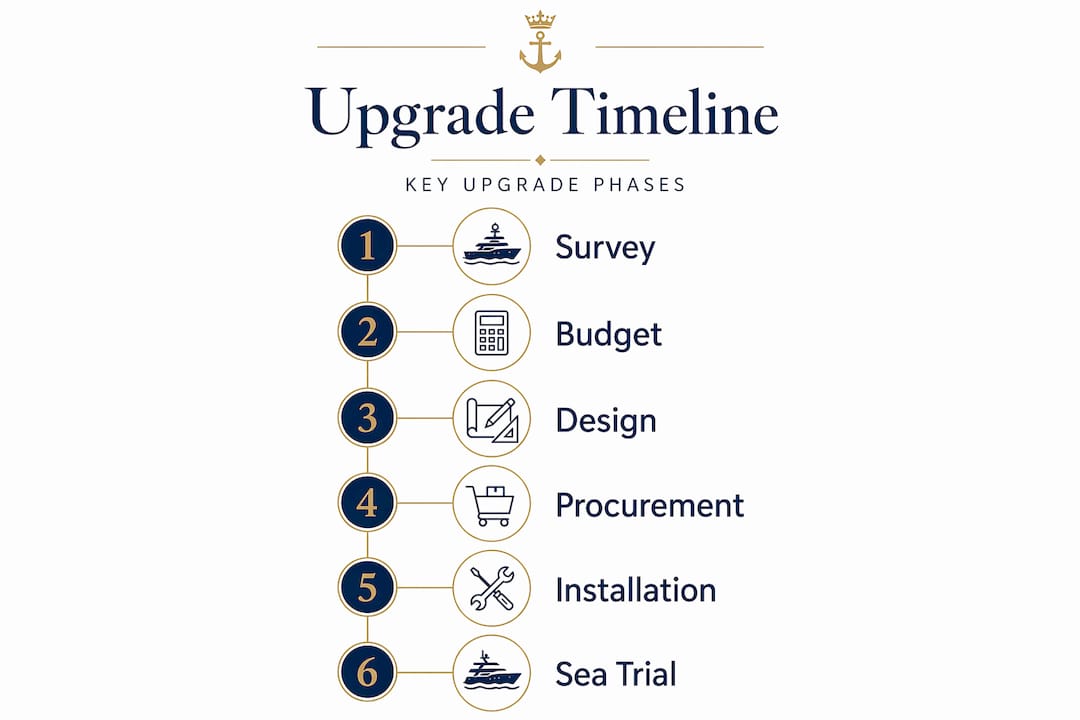
Setting a realistic budget matters just as much as the survey itself. Professional yacht refits typically take 90 days to over 12 months, with experts recommending a 10 to 20% contingency on top of your projected spend. That buffer absorbs the unplanned discoveries that surface once dismantling begins. It’s not a cushion for careless planning. It’s standard practice because yachts, especially older ones, rarely reveal everything until work is underway.
Pro Tip: When setting your upgrade goals, decide early whether you’re prioritizing performance, longevity, or aesthetics. These goals often conflict in material selection, and having a clear hierarchy prevents scope creep that derails timelines and budgets.
A project timeline should include design and engineering approval, procurement lead times for specialty materials, yard scheduling, and sea trials. For Florida-based owners, factor in hurricane season and regional yard availability when scheduling extended work.
Selecting the best yacht materials for your upgrade
This is where the process becomes genuinely exciting. The materials available today are a generation ahead of what most older yachts were built with, and the performance gap is measurable.
Advanced composites and structural fabrics
Unidirectional non-crimp fabrics, commonly called NCF, represent one of the most significant structural advances in yacht building. Compared to standard fiberglass layup, these materials allow up to 1.6x faster infusion, use 27% less resin, deliver 35% more stiffness, and reduce weight by 20%. For a cruising yacht owner, that means better fuel efficiency and reduced stress on the hull over time. For a performance sailor, it changes everything.
Synthetic decking versus traditional teak
The warm glow of teak is timeless. Few materials match its classic nautical character. But synthetic decking alternatives are rapidly becoming the preferred choice for owners who want that look without the relentless maintenance cycle. Synthetic options require far less upkeep, avoid geopolitical supply chain risks associated with tropical timber, and offer enhanced durability underfoot in Florida’s sun and heat.
Here’s a direct comparison to help you decide:
| Component | Traditional material | Modern alternative | Key advantage |
|---|---|---|---|
| Deck surface | Tropical teak | Synthetic teak (composite) | Zero varnishing, UV stable |
| Hull laminate | Standard fiberglass | NCF composite | 35% more stiffness, 20% lighter |
| Sail material | Dacron woven cloth | Exotic load-specific laminates | Prevents catastrophic failure under load |
| Interior surfaces | Solid wood panels | Marine-grade composite veneers | Moisture resistance, easier cleaning |
Sails and rigging materials
Structural luff technologies and exotic load-specific fiber laminates are now the standard recommendation for high-performance sail upgrades. Bigger, heavier vessels need materials engineered to handle peak loads without creep or UV degradation. This is not an area to cut corners.
Material selection for interiors follows its own logic, balancing moisture resistance, UV stability, and the tactile quality guests expect aboard a luxury vessel. The best yacht materials are the ones chosen with both lifecycle and daily operational use in mind, not just the ones that look best in a showroom.
Step-by-step execution: from dismantling to sea trial
Understanding the actual phases of the upgrading process prevents surprises and helps you manage your yard and crew effectively.
- Design and engineering review. Finalize material specifications, load calculations, and system integration plans before anything is removed. Changes made on paper cost nothing. Changes made mid-build cost everything.
- Procurement and prefabrication. Order specialty materials and begin fabricating components like composite panels, prefitted synthetic deck sections, and custom wiring harnesses. 3D laser scanning enables sub-millimeter precision here, reducing fitment errors and installation time significantly.
- Dismantling and structural assessment. Remove existing surfaces, fittings, and systems. This phase often reveals the unplanned repairs that your budget contingency was designed for. Running prefabrication and dismantling simultaneously reduces total yard time.
- Structural and hull upgrades. For steel-hulled vessels, certified welding teams address corrosion areas using radiographic and ultrasonic inspections. Composite reinforcement overlays extend hull longevity without significant weight penalties.
- Mechanical and electrical system upgrades. New materials often demand updated supporting systems. Upgrading to LiFePO4 battery banks, for example, requires updating wiring to ABYC E-11 standards to avoid situations where old wiring negates the benefit of expensive new batteries. This is where marine electrical integration becomes critical, not optional.
- Surface and finish application. Install decking, apply marine-grade coatings, complete interior refits, and fit new rigging or sail systems.
- Quality inspection and sea trial. Conduct system-by-system testing at the dock, followed by a full sea trial under load. Certifications from bodies like RINA or Lloyd’s validate structural repairs and give you documented proof of quality.
Pro Tip: When combining structural hull repairs with planned material upgrades, doing both in one haul-out is significantly more cost-effective than returning to the yard separately. Repair seals, address corrosion, and upgrade materials in one coordinated window.
Common challenges during yacht material upgrades
Even well-planned projects hit friction. Knowing where problems typically surface lets you respond rather than react.
- Structural discoveries mid-project. Opening up a deck or hull often reveals delamination or corrosion that wasn’t visible during the survey. This is normal. It’s why the contingency budget exists.
- Electrical system bottlenecks. Owners frequently upgrade batteries or electronics without auditing the rest of the circuit. Old wiring becomes a performance bottleneck that cancels out the gains from expensive new components.
- Vendor coordination failures. Florida yards are busy. Materials with long lead times, specialty composite panels or custom sail laminates, need to be ordered before the boat enters the yard, not after.
- Scope creep. Each new discovery tempts owners to add “one more upgrade.” Some additions make sense. Others dilute focus and push timelines past what your crew or charter schedule can absorb.
Moving away from component-level upgrades toward integrated system upgrades is the single most important shift in mindset for long-term operational reliability. Treating each upgrade in isolation creates a patchwork yacht, not a high-performance one.
The best approach is to assign a single point of contact for vendor coordination. Fragmented communication between yard workers, electricians, composite specialists, and interior fitters is where schedules collapse. Whether that’s a project manager you hire or a full-service provider who handles the network, centralized oversight protects your timeline.
What to expect after the upgrade is complete
The results of a thorough yacht renovation process are tangible and measurable. You don’t just feel the difference. You see it in the numbers.
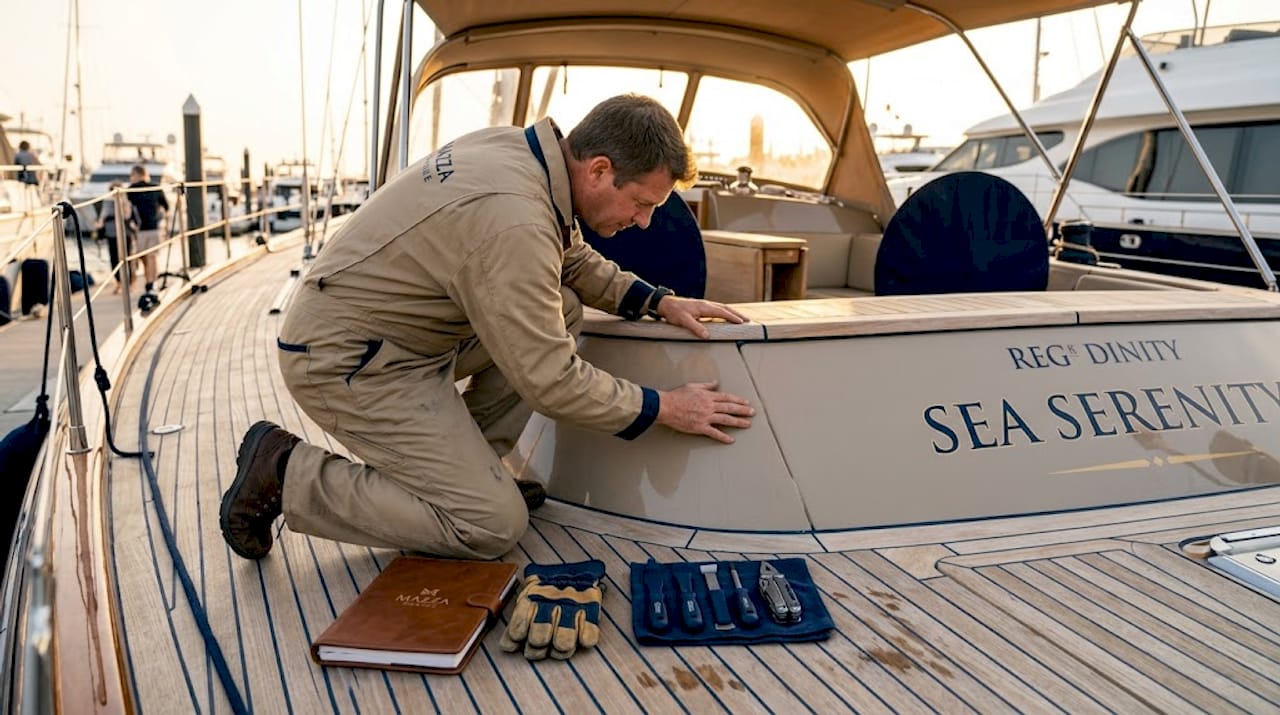
Weight reduction through composite hull upgrades and synthetic decking directly improves fuel economy and handling. A 20% weight reduction in structural laminate translates to a lighter waterline, quicker acceleration, and reduced drag at cruising speeds. Stiffness improvements mean less hull flex, which extends the life of mechanical connections and reduces fatigue cracking over time.
Maintenance savings are equally significant. Synthetic decking eliminates the annual varnishing and caulking cycle that traditional teak demands. Marine-grade composite interiors resist moisture intrusion that causes rot and mold in standard wood panels. Your crew spends less time maintaining and more time operating.
Modern upgrades also protect your vessel’s resale value. A documented refit with certified structural repairs, updated electrical systems, and premium surface materials positions your yacht at the top of the brokerage market. Buyers and charter operators increasingly prioritize yachts with traceable, sustainable materials and current systems over cheaper vessels with deferred maintenance.
My honest take on upgrading yacht materials the right way
I’ve watched owners spend significant money on yacht material enhancements, only to be disappointed six months later because they treated the upgrade as a series of isolated tasks. New teak analog decking over a stressed hull. Premium batteries wired into a 1980s circuit. A beautiful interior refit on a vessel with failing through-hulls.
The improving yacht materials conversation has to start with the whole vessel, not individual components. In my experience, the owners who get the most from their upgrades are the ones who commission a proper survey first, set a clear priority hierarchy, and then work through the project phases in sequence with the systems in mind. They budget for surprises. They don’t rush the sea trial. And they hire professionals who understand how materials, mechanics, and electronics interact.
The most honest advice I can give is this: modern materials are genuinely spectacular. What unidirectional composites and synthetic decking can do for a vessel’s performance and comfort is remarkable. But no material upgrade performs in isolation. The yacht is a system. Treat it like one.
— Jason
Mazzamarine: your partner for material upgrades and yacht refits
At Mazzamarine, upgrading boat components is something Mino, Luigi, and their expert Florida network handle from survey to sea trial. Whether you’re replacing traditional teak with premium synthetic surfaces, reinforcing your hull with composite overlays, or modernizing your electrical systems to support a new battery bank, the team coordinates every phase under one roof.
From teak and interior refits to mechanical performance upgrades, Mazzamarine brings together Florida’s most trusted marine specialists so you don’t have to manage a dozen vendors. Custom paint, hull work, gelcoat, welding, and electrical integration are all part of what the team delivers. If you want your yacht upgraded the right way, with certified craftsmanship, proper sequencing, and real accountability, reach out to the Mazzamarine team. Smooth sailing starts with the right people in your corner.
FAQ
What does the upgrading yacht materials process typically involve?
The process starts with a technical survey, followed by material selection, phased dismantling, structural and system upgrades, installation, and a final sea trial. Professional refits range from 90 days to over 12 months depending on scope.
What are the best yacht materials for deck upgrades?
Synthetic teak composites are increasingly preferred over tropical teak for their durability, UV resistance, and near-zero maintenance requirements, especially in Florida’s climate.
How much should I budget for a yacht material upgrade?
Base your budget on a detailed survey estimate, then add a 10 to 20% contingency for unplanned repairs. Combining multiple upgrades in a single haul-out reduces overall labor and yard costs.
Do material upgrades affect a yacht’s resale value?
Yes. Documented refits with certified structural work, modern composite materials, and updated systems consistently command stronger resale prices in the brokerage market.
Can I upgrade materials without also upgrading electrical systems?
In many cases, no. Upgrading batteries, lighting, or electronics without auditing supporting wiring creates safety risks and negates the performance benefits of your new components.
Recommended
Text or Call 954-330-9653 Schedule Appointment
Mazza Marine Yacht Services & Refit

Fiberglass Upgrades and Damage Repair

Premium Yacht Paint/ Faux Teak

Fishing: Custom Rods, Reels,Tackle

Electrical, Electronics and Navigation

Paint, Hull and Gelcoat

Teak Decks, Wood Cabinets, Carpentry

Canvas, Enclosures and Upholstery

Mechanical, Repower and Running Gear

Plumbing, Bilge and Thru-Hulls

Welding and Custom Fabrication

Interior Refit And Past Work
Get your yacht value Estimate
"*" indicates required fields